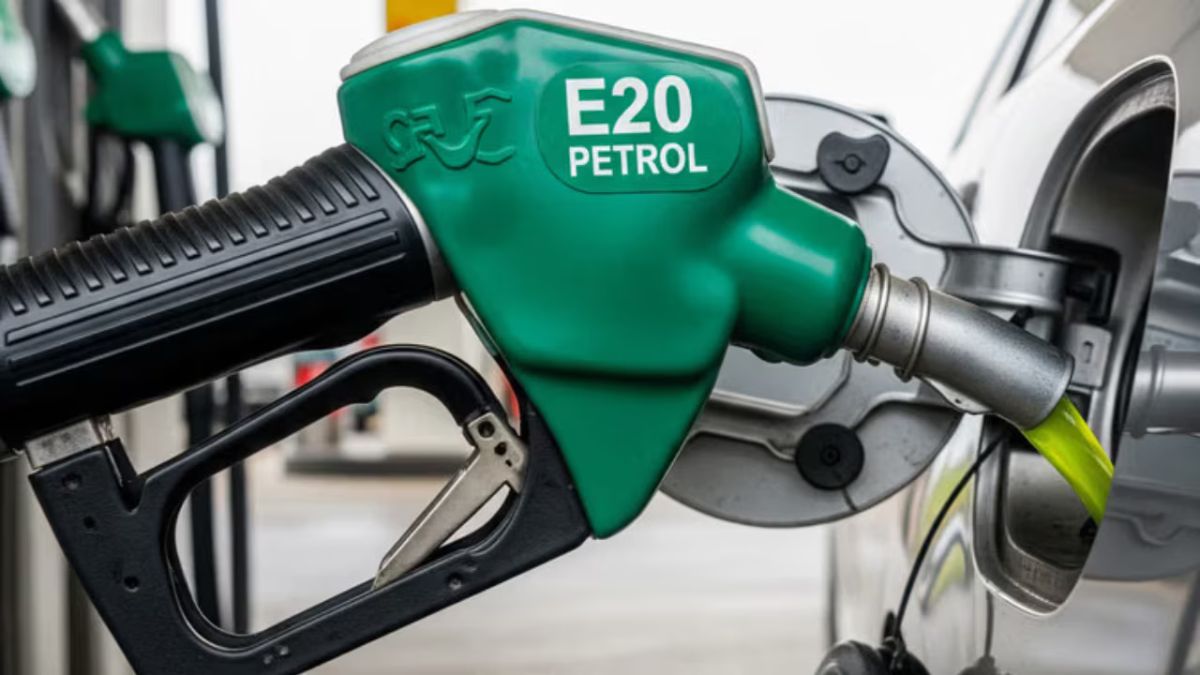
E20 Petrol has entered a debate again, as the issue of mileage, engine compatibility, and fuel selection continues to be an issue for vehicle users. E20 petrol, which has 20% ethanol mixed in with petrol, is an important component of the fuel transition in India. Older car owners, however, have asked if increasing ethanol levels will impact fuel economy and longevity of the vehicle.
With all this in mind, the government is reportedly even considering the possibility of providing premium branded fuels like Speed and Power95 and XP95 in E10. This would provide drivers with an additional fuel choice, but without oil companies needing to install separate E10 infrastructure across all petrol stations. The talks are still in their infancy and have not resulted in an official announcement.

E20 Petrol
| Feature | E10 Petrol | E20 Petrol |
|---|---|---|
| Ethanol Content | 10% ethanol | 20% ethanol |
| Petrol Content | 90% petrol | 80% petrol |
| Octane Option Discussed | Premium E10 may offer 95 octane | Available in E20 formulations |
| Main Consumer Concern | Lower ethanol blend | Mileage and compatibility concerns |
| Current Discussion | Premium E10 option under consideration | Existing higher-blend fuel option |
Government Considers Premium E10 Petrol
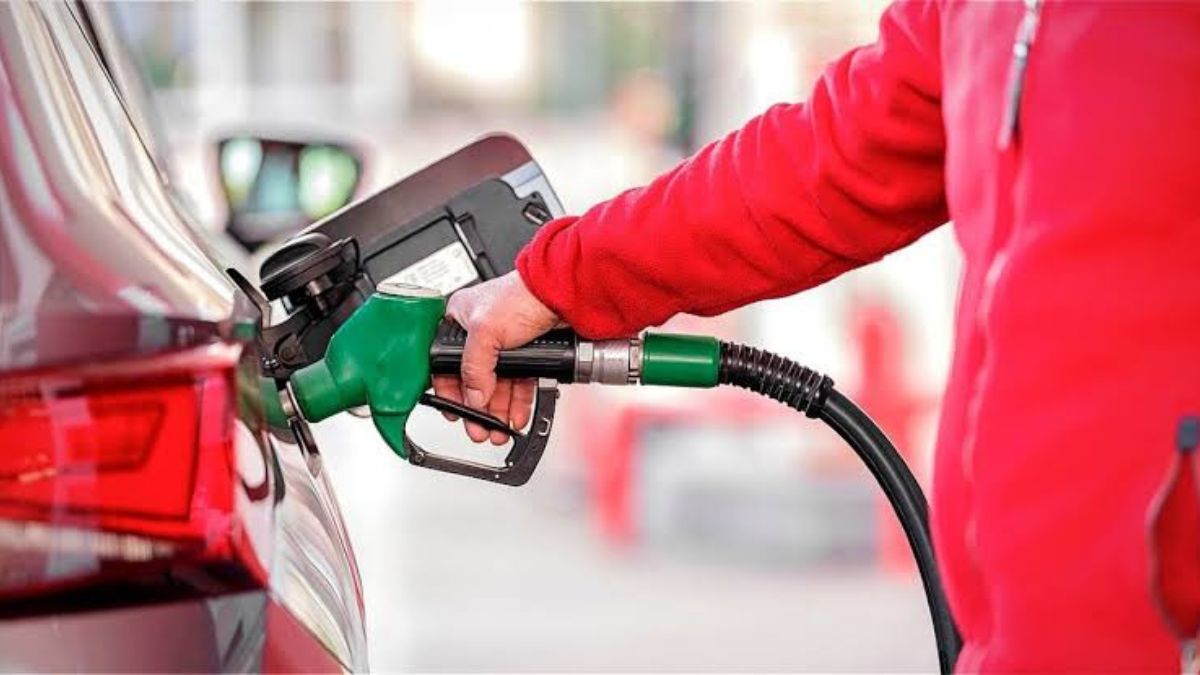
The Petroleum Ministry is currently considering the introduction of a premium petrol that has a lower ethanol blend with state-owned oil marketing companies such as Indian Oil, Bharat Petroleum and Hindustan Petroleum. The concept being proposed is to provide an E10 blend of 95-octane petrol and effectively a premium ‘E10′ fuel option for consumers.
The plan is put forward amid worries over the use of E20 petrol by consumers. However, it is important to note that these discussions have not resulted in a confirmed policy change yet. Whether it would be viable and acceptable in the marketplace is still under review by the government and oil companies.

What Is E20 Petrol?
E20 is a type of petrol that is 20% ethanol and 80% petrol. India’s fuel policy has been in place with ethanol blending for several years, and the country has been gradually adding ethanol to petrol as part of its energy policies.
The ethanol-blending programme started on a much smaller scale. The information available indicates that ethanol blending was introduced in India in 2001 and E5 petrol in 2006. The average blending level was about 1.53% during 2013-14 but has significantly improved since then.
What is the reason behind the return of E10 Petrol?
Much of the re-fixation on E10 relates to worries voiced by some car owners about using E20. Older automobiles have raised questions about potential changes in mileage and compatibility, and some drivers are seeking an alternative fuel that’s lower in ethanol.
One potential solution to this problem would be a premium E10, which is a blend of ethanol with higher octane fuel. Rather than establish an entirely new class of regular petrol, the idea is for higher-quality 95-octane fuels to be made available as E10.
Also read:
Zero Balance vs Regular Savings Account: Which One Is Better?
Senior Citizen Card Gujarat: Eligibility, Documents and Apply Online
LPG e-KYC Deadline Extended: Will Your Gas Connection Stop?

My name is Santosh Rana, and I am the Founder and Content Writer at Taza News, where I actively cover Education, Board Exam Results, Admit Cards, Government Jobs, Technology, and Breaking News updates. As the founder of the platform, I am committed to building a trusted digital news source that delivers accurate, timely, and reader-friendly information to audiences across India.