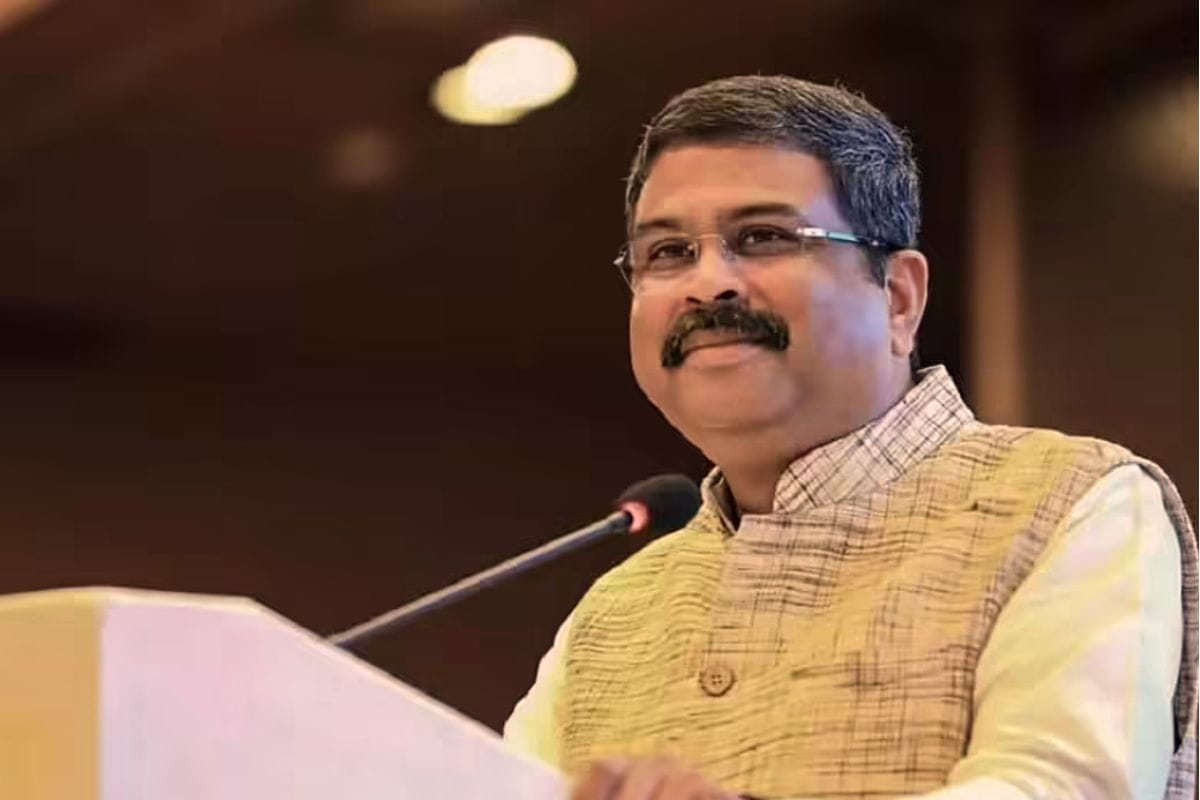
After a month of unabated agitation, Education Minister Dharmendra Pradhan has just tendered his resignation to Prime Minister Narendra Modi on Saturday, 25 July 2026. The announcement followed a meeting with the Centre about two hours later and was in response to the protesters’ sole demand at the Jantar Mantar in Delhi since their protest started that the protesters’ lists be added to the electoral rolls.
The news of Pradhan’s decision arrived on X, and not during the ongoing negotiations on the day, and thus it seemed he was anticipating potential deadlocks that could have ended talks altogether. CJP leaders had repeated the same demand earlier the same morning: that they could have no further discussion unless the government agreed to ask Pradhan to step down – not discuss the matter further – but to make the decision. Dharmendra Pradhan’s resignation came as a part of the three central demands of the protest movement, which were a pledge of no legal action against students protesting on the streets and remuneration for families of those who died by suicide after the NEET-UG paper leak. The Centre had been reported to have promised on the latter two demands at Friday’s series of discussions, but was silent on the resignation demand, which pushed the CJP to ratchet up its demand if the issue was not addressed.
Also Read: CJP’s Jantar Mantar Protest Enters
In his resignation statement, Pradhan adopted a conciliatory and nationalistic tone, showing that he was mindful of the aspirations of the young Indian and “the fulfilment of the dreams of the young Indians” was a part of his political philosophy. He expressed his gratitude to the Prime Minister for having allowed him to serve under his leadership and said he would do all he could to keep the country’s “youth power” “out of a web of confusion”. The decision was also termed a precautionary measure against the possible misuse of the unrest by “anti-national forces”, Pradhan had noted, while also highlighting a desire to keep the nation united, spare students from “legal complications” and help the youth “concentrate on studies and other future career options”.
Also Read More: Sonam Wangchuk Breaks His Fast

The news of the resignation led to jubilation at the protest camp at Jantar Mantar, where the protesters had been camped in central Delhi for weeks, under the growing pressure of security measures, such as the closing of metro stations and intermittent internet shutdowns. Speaking from the protest stage, CJP founder Abhijeet Dipke called the occasion an historic milestone as the government had long been seen as one where ministers were not forced to resign with the general public screaming for their heads. In the wake of the announcement, the party’s official social media response was also rousing, banning “Long Live Student Power”.
The NEET paper leak incident that triggered the movement triggered several administrative measures ahead of Pradhan’s resignation, such as the ouster of scores of officials from the National Testing Agency and the strengthening of anti-paper-leak laws by the Centre in the weeks that preceded the scandal. But none of these measures would be enough to mollify protestors if the minister whom they viewed as responsible for the irregularity of the exam were still in office. While other claims for legal protection and compensation picked up pace on the government’s side, the demand for his resignation became the defining and symbolic catalyst of the agitation.
Also Read More: Prime Minister Narendra Modi Announces Fast-Track Courts
The movement started in the capital city and this month has grown into a nationwide student strike with protests and solidarity marches in Bengaluru, Chennai, Mumbai and other major cities, and with huge mobilisations in Bihar and West Bengal. The size and duration of the unrest made it a major political flash point as opposition parties started to join the protesters and as the episode became a catalyst for questioning the government’s practices and accountability, its examination integrity and its response to student dissent. The political aspect also seems to have intensified the pressure on the Centre, in the lead-up to the development on Saturday.
The government had been criticized over how it has managed the protests, such as the use of excessive force against protesters during a previous march to Parliament, the longer closures of metro stations and the increased surveillance of the protest area. The debates had kept the movement in the national news far longer than it had been since it arose as a protest against exam cheating, and raised issues of civil liberties, student safety and the state’s handling of organised protest. Now that Pradhan has resigned, focus will be on the Centre’s remaining promises, such as providing no legal assistance to student protesters and on the promised compensation to the families of those who took their lives after their respective educational institutions refused to admit them on the grounds of NEET status. With the resignation demand resolved, the most objectionable hurdle on the negotiating table has been eliminated, but the leadership of the movement has said it would not stop watching the government’s actions after this announcement. A falling Union Cabinet minister from the agitation over a leaked examination paper is itself unprecedented and significant, and will remain in the memory of student-led mobilisations in Indian politics in recent years

I’m Pragya Jain, a content writer with 4 years of experience specializing in the Education sector. I have extensive expertise in covering exam results, government job notifications, recruitment updates, admit cards, answer keys, admissions, counselling, and other education-related updates. My content is based on official notifications and verified sources, ensuring every article is accurate, reliable, SEO-friendly, and easy for readers to understand.