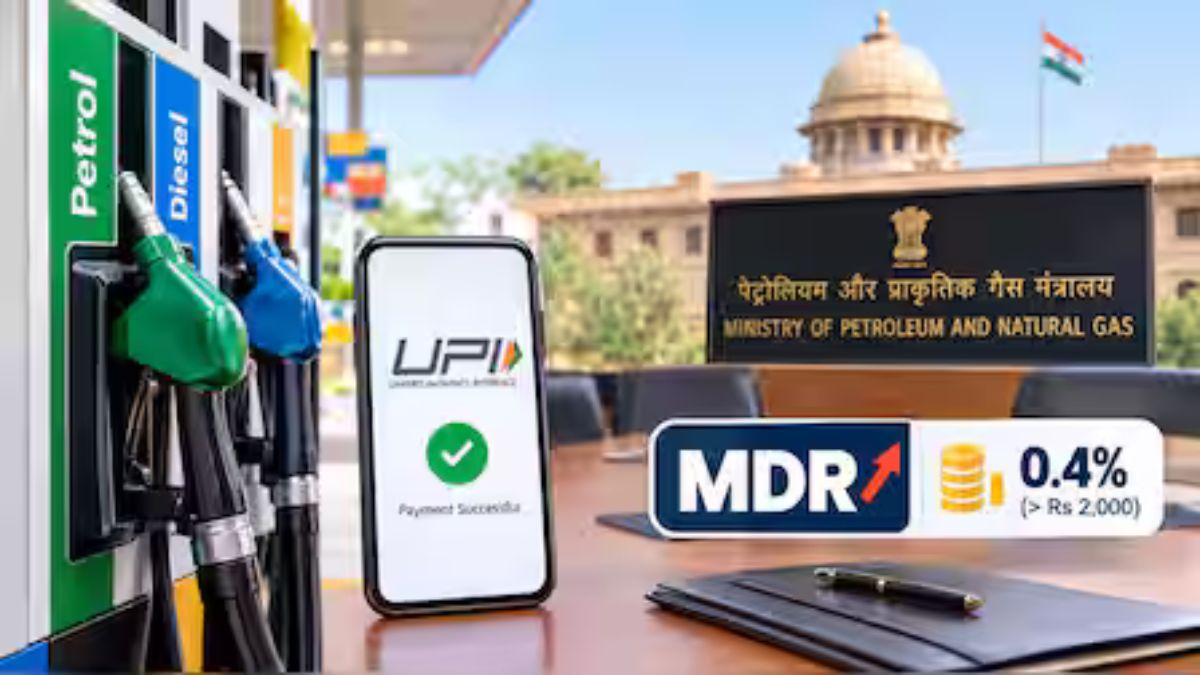
UPI MDR Row: The Indian government has rejected claims that the newly introduced Merchant Discount Rate (MDR) on selected UPI transactions was brought in because of pressure from the United States. The Department of Financial Services (DFS) said on September 17, 2026, that the decision is aimed at creating a sustainable revenue model for payment companies and encouraging more domestic players to compete in India’s digital payments market.
The clarification came after criticism from opposition leaders and allegations that concerns raised by the United States about India’s UPI ecosystem influenced the decision. The government said the latest National Payments Corporation of India (NPCI) rules do not address the specific issues raised by the U.S. Trade Representative (USTR), arguing that the MDR decision was made for reasons related to India’s own digital payments ecosystem.

UPI MDR Row
| UPI Transaction Type | New MDR Structure |
|---|---|
| Person-to-person UPI payments | No MDR |
| Merchant transactions up to ₹2,000 | No MDR |
| Selected merchant transactions above ₹2,000 | Up to 0.4% MDR |
| Transactions of ₹75,000 or more | MDR capped at ₹300 |
| Selected sectors such as railways, fuel and insurance | Separate MDR provisions apply |
| Implementation date | October 15, 2026 |
Government Rejects Claims of External Pressure
The Department of Financial Services said the introduction of MDR on selected high-value UPI transactions was not the result of pressure from any foreign government. According to the department, the move is intended to give smaller payment companies a way to generate revenue and compete with larger platforms that currently handle a significant share of UPI transactions.
The government’s statement followed political allegations linking the new MDR structure to concerns raised by the United States. The DFS, however, pointed out that the NPCI’s September 15 circular does not resolve the concerns previously highlighted by the USTR. This, according to the government, shows that the MDR decision should not be viewed as a response to those American concerns.
What Is Changing Under the New MDR Structure
Under the new framework, MDR will apply to selected UPI payments made to merchants when the transaction value is above ₹2,000. The rate can go up to 0.4%, while transactions of ₹75,000 or more will have a maximum MDR of ₹300. The new structure is scheduled to come into effect from October 15, 2026.
The change does not mean that consumers will suddenly have to pay a fee every time they use UPI. Person-to-person transactions will remain free, while merchant transactions up to ₹2,000 will also remain outside the new MDR structure. The government has also outlined separate rates for certain categories of transactions.
Five Important Points About the New UPI Rule
- MDR of up to 0.4% will apply to selected merchant UPI transactions above ₹2,000.
- Person-to-person UPI transfers will continue to remain free.
- The government says MDR can provide smaller domestic payment companies with a sustainable source of revenue.
- Foreign credit cards other than RuPay will not receive access to UPI credit transactions under the new NPCI rules.
- The government expects around 96% of merchant UPI transactions to remain unaffected by the new framework.
Why the Government Wants a Revenue Model
The government has stated that a zero-MDR system is hard to make a sustainable business for smaller payment companies. The competition is tougher for newer payment platforms because they are not as well established as their counterparts, and do not have the significant volumes of transactions or merchant networks that would give them a foot in the door.
The DFS believes that a small number of high value transactions may be suitable for implementation of MDR, which will provide payment companies with a stream of income and stimulate the development of the local business. The government has termed the step as a step towards “promoting competition in digital payments” and not merely as “a new tax on UPI users.”
What the U.S. Has raised about India’s UPI system
Part of the issue of foreign pressure is connected to some previous issues that were raised by the U.S. Trade Representative about India’s payments system. The USTR has explored the possibility of involvement of American electronic payment service providers in UPI, and questioned if foreign providers are given the same opportunities as domestic providers like RuPay.
The other one is the market share limit of 30% on third party application providers by NPCI. While the rule was introduced in 2020 by NPCI, it failed to be implemented effectively as smaller companies were unable to compete with market leaders without having some sort of a sustainable revenue model, the DFS said.
Why is RuPay in the middle of the entire debate?
The DFS also gave attention to the credit card transactions via UPI. The NPCI circular of September 15 does not allow credit transactions through UPI except for credit cards issued by the RuPay brand, it said. The government termed this as a “planned policy measures to strengthen RuPay in credit cards market.”
This is significant because one of the worries that had been expressed by the U.S. side had been in relation to access for foreign electronic payment providers. The government does not believe that the latest MDR decision has anything to do with this restriction and so does not speak directly to that particular concern.
Most Everyday UPI Payments Will Remain Free
For regular users, the new MDR structure will not impact on UPI payments that are made directly to a person. If a family member, a friend or another person receives money from someone, the amount received will not fit within the definition of money and will not be subject to MDR.
Small merchant payments will also be barely affected. The government has claimed that it believes around 96% of merchant UPI transactions will not be part of the new MDR structure. The framework has specific provisions for certain sectors such as the railways, telecommunication, insurance, fuel and agricultural commodities.
Possible Impact on Payment Companies and Merchants
Companies will have to adjust to the business model if MDR is implemented in the UPI ecosystem. Payment service providers and banks and UPI apps could get some of the money from successful transactions to invest in technology, merchant acquisition and customer services.
Merchants will be impacted by the way the payment providers process the MDR in their commercial agreements. While the charge isn’t an up-front fee to the customer or an extra requirement for businesses, it would affect the cost of payments for businesses under certain conditions.
What This Means for India’s Digital Payments Ecosystem
The introduction of MDR is a significant change from the previous zero-MDR model for the impacted transactions, marking an important development in the digital payments landscape in India. The government believes that establishing a revenue stream will help increase participation and provide a larger market for smaller-sized companies.
The real effects will be more apparent once the new framework starts on October 15th, 2026. Payment companies, banks and merchants will have to adapt to the new setup, and regulators and policymakers will have to monitor the impact of the changes on the competition, cost, and the broader UPI ecosystem.
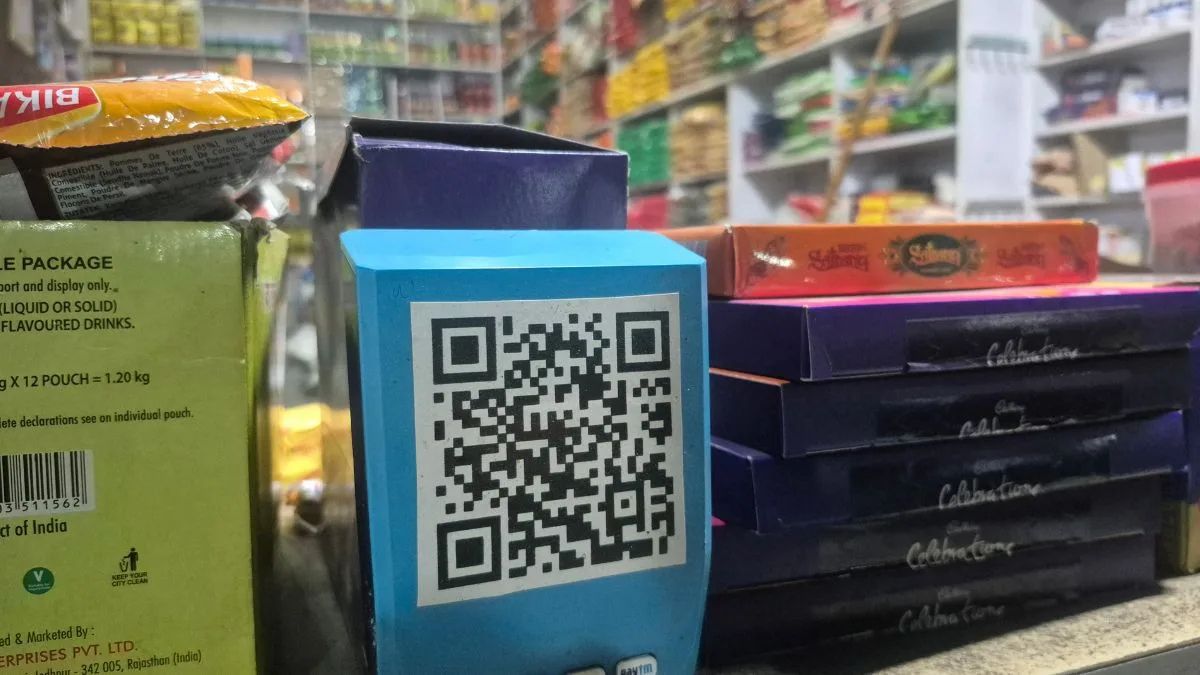
The government has strongly denied that it had to implement the new UPI MDR structure due to U.S. pressure. The move, according to the Department of Financial Services, centres around fostering payment companies’ sustainable business model and allowing smaller domestic companies to gain a foothold in India’s digital payments market.
Disclaimer: This article is based on the information and government statements available up to September 17th, 2026. The rules and MDR rates of UPI and the provisions for implementation are subject to changes after additional notifications or decisions by the regulators. It is important that readers check the latest information from the official sources of the government and NPCI before taking any financial/business decisions.
Also read:
NRI Fixed Deposit: Calculate Your Earnings on ₹5 Lakh and ₹10 Lakh in SBI and PNB
SBI PO Mains Admit Card 2026 Released: Download Hall Ticket Online
SBI Account Statement: Download Online Using YONO SBI and Internet Banking

I’m Rashmi, an experienced content writer with over 3 years of experience in content creation and online publishing. I have a strong understanding of SEO, Google Discover, and audience-focused content strategies, with a passion for creating engaging and informative content.