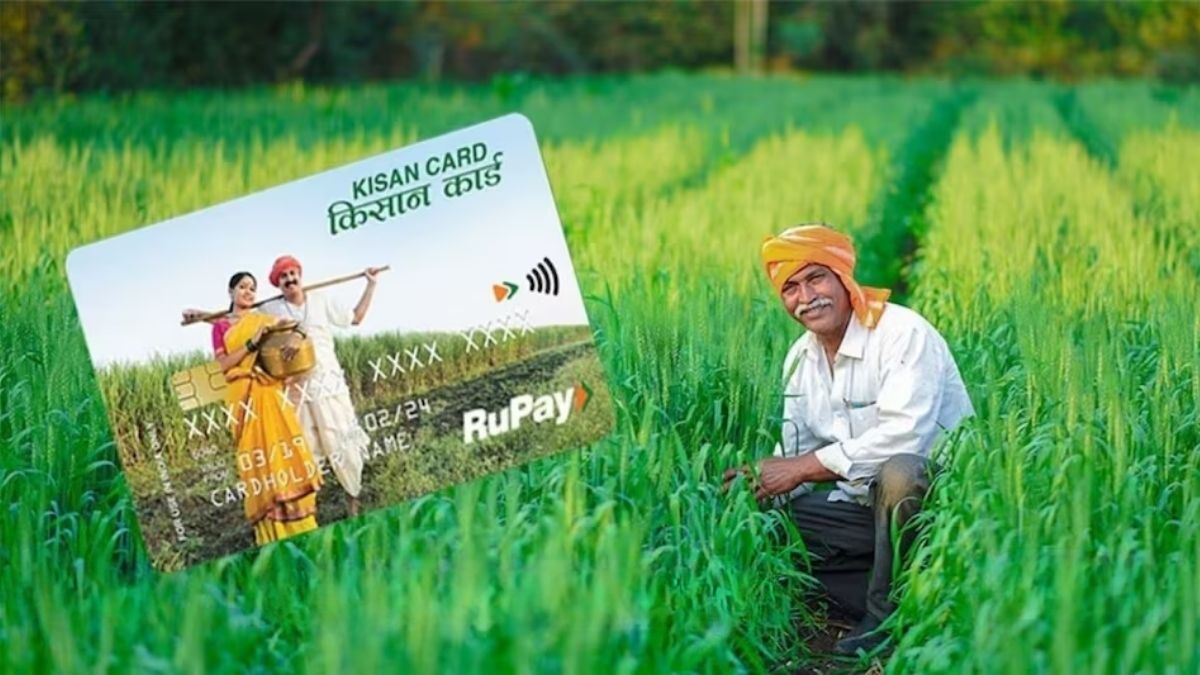
Kisan Credit Card: Farmers often need money at different stages of the agricultural cycle, from buying seeds and fertilisers to arranging irrigation and managing other farm expenses. When funds are not available on time, many farmers may turn to informal lenders, where borrowing costs can become a serious burden.
The Kisan Credit Card (KCC) scheme is designed to provide eligible farmers with easier access to institutional credit for agricultural and related activities. The scheme offers credit support for crop cultivation as well as allied activities such as dairy, animal husbandry and fisheries.

While the standard interest rate mentioned for eligible agricultural loans is 7%, government interest subvention and incentives for prompt repayment can reduce the effective interest burden to as low as 4% for qualifying borrowers, subject to applicable conditions. Here is a closer look at the KCC scheme, its loan limit, collateral rules and eligibility.
Kisan Credit Card
| Feature | Details |
|---|---|
| Scheme Name | Kisan Credit Card (KCC) |
| Purpose | Agricultural and eligible allied activity expenses |
| Standard Interest Rate | 7% per annum |
| Effective Rate | Up to 4% for eligible farmers meeting conditions |
| Maximum Loan Limit | Up to ₹5 lakh |
| Collateral-Free Limit | Reported increase from ₹1.60 lakh to ₹2 lakh, subject to applicable rules |
| Interest Subvention | 1.5% |
| Prompt Repayment Incentive | Up to 3% |
| Eligible Activities | Crop cultivation, animal husbandry and fisheries |
| Loan Approval | Subject to eligibility and bank verification |
What Is the Kisan Credit Card Scheme?
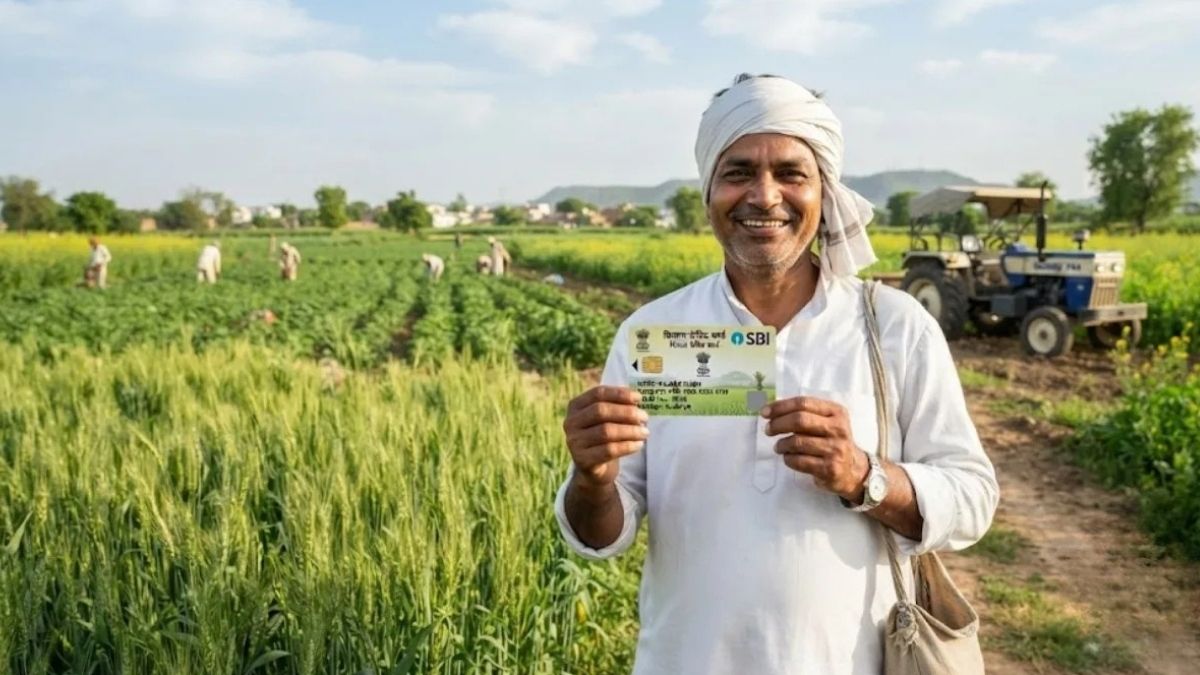

The Kisan Credit Card is a government-backed credit facility designed to help eligible farmers meet their short-term financial requirements. Instead of arranging separate loans whenever they need money for agricultural inputs, farmers can use the KCC facility for approved farming expenses such as seeds, fertilisers, pesticides and irrigation.
The scheme is not restricted to crop cultivation alone. Credit support can also cover certain working-capital requirements connected with allied agricultural activities, including animal husbandry and fisheries. This wider coverage can make KCC useful for farmers whose income comes from more than one agricultural activity.
Five Important Things Farmers Should Know About KCC
The Kisan Credit Card can provide financial support at a comparatively lower effective interest cost when the applicable government benefits and repayment conditions are met. However, farmers should understand the rules before applying for or using the facility.
- Eligible farmers can receive KCC credit for agricultural requirements.
- The standard interest rate for eligible agricultural loans is 7%.
- Government benefits can reduce the effective interest burden to 4%.
- The reported maximum KCC loan limit is up to ₹5 lakh.
- KCC support can also cover eligible animal husbandry and fisheries activities.
These benefits are subject to eligibility requirements, lending rules and timely repayment conditions. The exact loan amount, interest benefit and collateral requirement can also depend on the applicable guidelines and the lending institution.
What is the benefit of the 4% interest?
The widely used figure of 4% effective interest rate does not imply that all KCC loans are automatically assigned a 4% interest rate at the outset. The normal annual interest rate on loans for agricultural purposes is 7% where eligible. The government may cover the interest cost of qualified borrowers via interest subvention.
There is a further advantage to be availed to farmers who pay their eligible loans on time and fulfil the set conditions. The interest subvention and prompt repayment incentive may be combined for an additional benefit of up to 4 percentage points to the 7% stated rate. Farmers should therefore ensure they are aware of the most recent terms of their bank to ensure they know exactly how the benefit applies to their loan.
What is KCC Loan Limit?
The amount that can be availed by farmers under a Kisan Credit Card is not uniform for all the farmers. The credit limit is normally decided after taking into account the land holdings, crops, their cultivation needs and other eligible agricultural operations of the farmer. The application is also checked by the lending bank based on its applicable rules.
The maximum loan amount is as per information provided in this scheme, which is up to ₹5 lakh. This does not mean that every applicant will automatically receive ₹5 lakh. The sanctioned amount may be reduced as per the requirement of the farmer, eligibility, repayment capacity, agricultural activity and assessment of the bank.
Can Farmers Get KCC Loans Without Collateral?
The other important aspect of the KCC loans is collateral-free borrowing, as long as the conditions outlined are met. As per the reported rules, the collateral-free limit will be raised from ₹1.60 lakh to ₹2 lakh, potentially increasing institutional credit availability for eligible small borrowers.
But farmers must not take it for granted that all KCC applications are automatically eligible for a collateral-free loan. Banks still verify and apply appropriate lending guidelines. Before making an application, farmers should check the existing collateral-free limit and documentation with the bank.
KCC Also Supports Allied Agricultural Activities
The Kisan Credit Card is not only meant for farmers growing traditional crops. KCC credit can also be used for approved working-capital requirements for eligible persons involved in allied agricultural activities. This can include activities related to dairy farming, livestock rearing and fisheries.
This broader coverage is especially beneficial for farmers who rely on multiple sources of agricultural income. A livestock rearer or fish farmer, or a dairy farmer, might need to keep working capital in addition to crop cultivation. KCC can provide support for eligible borrowers to manage such costs in formal banking channels, in accordance with scheme guidelines.
Why Timely Repayment Matters
There is a possibility for eligible farmers to access the available interest benefits if they repay the loan within the prescribed period. Qualifying borrowers could receive an extra benefit of up to 3% under the applicable prompt repayment incentive. This can substantially increase the weighted cost of borrowing if combined with the interest subvention that is applicable.
Farmers, therefore, should be aware of the dates to be repaid and the conditions that accompany the interest benefit. Failure to adhere to the required payback date or to otherwise meet the requirements may impact eligibility for incentives. Before taking the loan, borrowers should ask their bank about the repayment schedule, applicable interest rate and conditions for receiving the benefits.
Who can obtain a Kisan Credit Card?
It is a scheme mainly for those engaged in farming and eligible allied agricultural activities. The cultivating farmers can apply, and in some cases under the rules and the evaluation of the lending institution tenant farmers and other agricultural workers may also be eligible.
When applying for the loan the bank may request any information regarding the agricultural activity, land holding, the crops and other information requested. The bank may also require other documents that applicants should have with them such as identity, address, land or cultivation related documents etc. Final eligibility as per the guidelines of the scheme and the verification procedure by the bank.
How KCC Can Help Farmers Manage Expenses
Agricultural expenses do not always arrive at the same time. Money could be required by farmers for pre-sowing work, fertilisers during the crop production and other costs towards the end of the production cycle. They may find a formal credit facility useful to meet these needs without depending on informal borrowing.
The KCC system can also serve better to manage eligible agricultural credit needs in an organised manner. But a KCC remains a loan and is still subject to repayment on the terms agreed to. Borrowers must ensure that they take loans as per their actual needs and must be fully aware of the interest rate, repayment period, charges and other conditions before utilizing the loan facility.

Kisan Credit Card may be a vital tool for providing formal loan to farmers for cultivation and other allied activities for which they may have need. If the interest subvention and the timely repayment incentives are given together, the effective interest burden for qualified borrowers can be lowered down to approximately 4% as per the provided condition.
FAQs
Q1. What is the Kisan Credit Card scheme?
KCC provides affordable credit to eligible farmers for agricultural needs.
Q2. What is the standard KCC interest rate?
The standard annual interest rate is 7% for eligible loans.
Q3. Can KCC loans effectively cost only 4% interest?
Eligible farmers can receive benefits reducing effective interest to 4%.
Q4. What is the maximum KCC loan limit?
The reported maximum KCC loan limit is up to ₹5 lakh.
Q5. Can farmers get KCC loans without collateral?
Eligible farmers may receive loans without collateral within prescribed limits.
Disclaimer: This article is for general informational and educational purposes only. As per banking rules and official regulations, the interest rates, loan limits, collateral-free limits, subsidies, eligibility criteria and government incentives of KCC can vary.
Farmers have to check with their bank or the government agency what the new information is before they take out a loan. This article should not be considered financial advice.
Also read:
HDFC Credit Card Limit: Increase Your Limit Online Easily
SBI Contactless Debit Card: Activate Tap-to-Pay Online Easily
NPS New Rules: 5 Major Changes Every Investor Should Know

My name is Santosh Rana, and I am the Founder and Content Writer at Taza News, where I actively cover Education, Board Exam Results, Admit Cards, Government Jobs, Technology, and Breaking News updates. As the founder of the platform, I am committed to building a trusted digital news source that delivers accurate, timely, and reader-friendly information to audiences across India.