Best Australian Cities for International Students
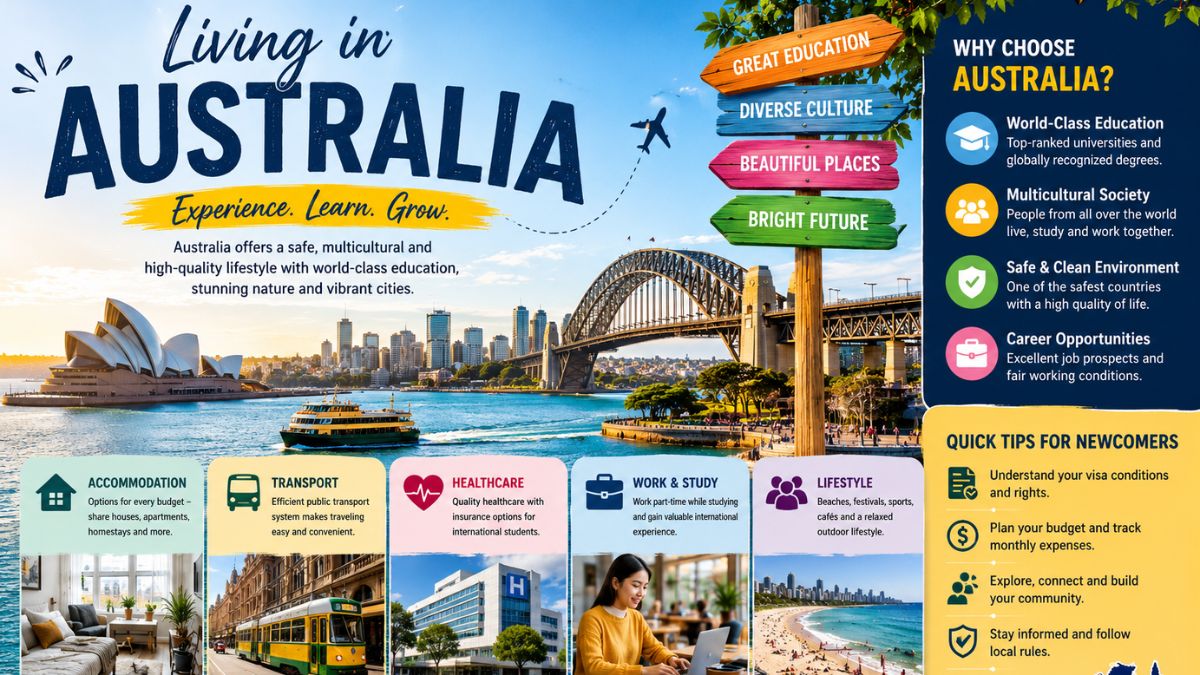
Australia has several cities that attract international students and migrants. Sydney offers a busy metropolitan lifestyle and a large international community, while Melbourne is known for its culture, food, sports and student-friendly atmosphere. Brisbane offers a warmer climate, and Adelaide and Perth can provide different lifestyle and housing options.
Choosing a city should not be based only on popularity. Consider tuition or employment opportunities, accommodation costs, transportation, weather, and your preferred lifestyle. A city that works well for one student may not be the best choice for another, so compare your priorities before deciding where to settle.
Food and Grocery Shopping
Food is another regular expense when living in Australia. Supermarkets offer a wide selection of Australian and international products, and newcomers can also find specialised grocery stores selling ingredients from India, Asia, the Middle East and other regions.
Cooking at home can be considerably easier on the budget than eating out regularly. Many students plan their meals for the week, compare supermarket prices and look for discounts. Eating out can still be part of the experience, especially in Australia’s multicultural cities, where restaurants serving food from around the world are widely available.
Public Transport and Getting Around
Public transport is an important part of daily life in Australia’s major cities. Depending on where you live, you may use trains, buses, trams, ferries or a combination of different services. Transport systems and payment methods differ between states and territories, so newcomers should learn the system used in their city.
Living close to a train, tram or bus route can make daily travel much easier. Students should check whether their visa or institution provides access to any applicable transport concessions. If you plan to buy a car, remember that fuel, registration, insurance, maintenance and parking can significantly increase your monthly expenses.
Healthcare in Australia
Although Australia has a well-established health care system, it is important for international visitors and students to be aware of the health insurance requirements of their visa. Overseas Student Health Cover (OSHC) is a compulsory cover that many international students are required to have while they are in Australia.
The cost of health care and health insurance coverage can differ between insurance companies and policies. Students should know the coverage of their policy before going to the clinic and be able to access their insurance information. In serious and/or urgent medical conditions, instead of following general information on the Internet, appropriate emergency services should be contacted.
Working While Living in Australia
A large number of international students are keen to work during their study in Australia. Students’ work rights are dependent on the conditions of their visa, and students are advised to review their current visa conditions prior to taking up work or increasing their work hours.
Studying part-time may assist students in paying some of their living costs and provide work experience in the Australian workforce. Typical jobs that students might do include hospitality, retail, customer service, and other casual jobs. But students must not be prevented from studying because of work, and they need to be aware of their rights and conditions at work.
Australian lifestyle and culture
Australia is an incredibly culturally diverse country, and you’ll find people from all walks of life. Communication is often informal and direct in Australian culture, and notions like personal space, time and keeping professional at work are treated with a high degree of respect. Awareness of these social practices enables easier interaction with colleagues, classmates and neighbours.
Australian life outside work and study is also a vital aspect of Australian culture. Many people enjoy activities at the beach, park, sports events, coffee shops, and the market or community activities in their spare time. Local neighbourhood visits can be used to learn about the local culture and culture, but also to foster relationships and feel comfortable in the community.
Weather and Daily Life
Australia’s climate varies greatly from one region to another. The weather patterns in Sydney and Melbourne are different; in Brisbane, it is warm, while in other cities like Perth and Adelaide, the weather has its own unique seasons. The climate in regional and remote areas may vary significantly from that in the major coastal cities.
Newcomers should find out the climate of the place they are going to before packing or booking a place to stay. Australia can have strong sun and extreme weather conditions, and it’s crucial to learn what local safety advice is and how to prepare accordingly. Normal activities can also vary according to climate and location.
Making Friends and Building a Social Life
Moving to another country can sometimes feel lonely during the early weeks, especially when students are away from family and familiar surroundings. Joining university clubs, sports groups, cultural organisations or community activities can be a good way to meet people and develop a social network.
International students can also connect with people from their own communities while making an effort to meet Australians and people from other cultures. Building friendships takes time, so newcomers should not feel discouraged if settling in does not happen immediately. Staying active and involved can make the adjustment much easier.
Managing Money in Australia
Good financial planning can make a major difference when living in Australia. Newcomers should keep track of rent, groceries, transport, phone bills, insurance, and other recurring expenses instead of focusing only on tuition or salary. Creating a monthly spending plan can help identify where money is going.
It is also useful to keep an emergency fund for unexpected expenses. Students should avoid depending entirely on casual employment to cover essential costs because working hours and income can vary. Comparing services, using student discounts where available, and avoiding unnecessary subscriptions can help keep spending under control.
Tips for Newcomers Living in Australia
The first few weeks are usually about learning how everything works. From understanding your local transport network to finding an affordable supermarket, small discoveries can make everyday life easier. Keeping important documents organised and learning basic local rules can also prevent avoidable problems.
Newcomers should take time to understand their visa conditions, accommodation agreement, insurance policy and workplace rights where relevant. It is also worth learning about the local area, emergency contacts and available community services. These simple steps can help you feel more prepared and independent.

Living in Australia can offer international students and newcomers an opportunity to experience a diverse society while studying, working and building a new routine. The experience can be rewarding, but it also requires careful financial planning and some adjustment to Australia’s housing, transport, healthcare and workplace systems.
Disclaimer: This article is intended for general informational purposes only. Living costs, visa conditions, healthcare requirements, employment rules and other arrangements in Australia can change and may vary according to individual circumstances.
Always check the latest information from relevant Australian government authorities, your education provider, healthcare insurer, or other official sources before making important decisions.
Also read:
F1 Visa Requirements 2026: Eligibility, Documents, Costs and Rules